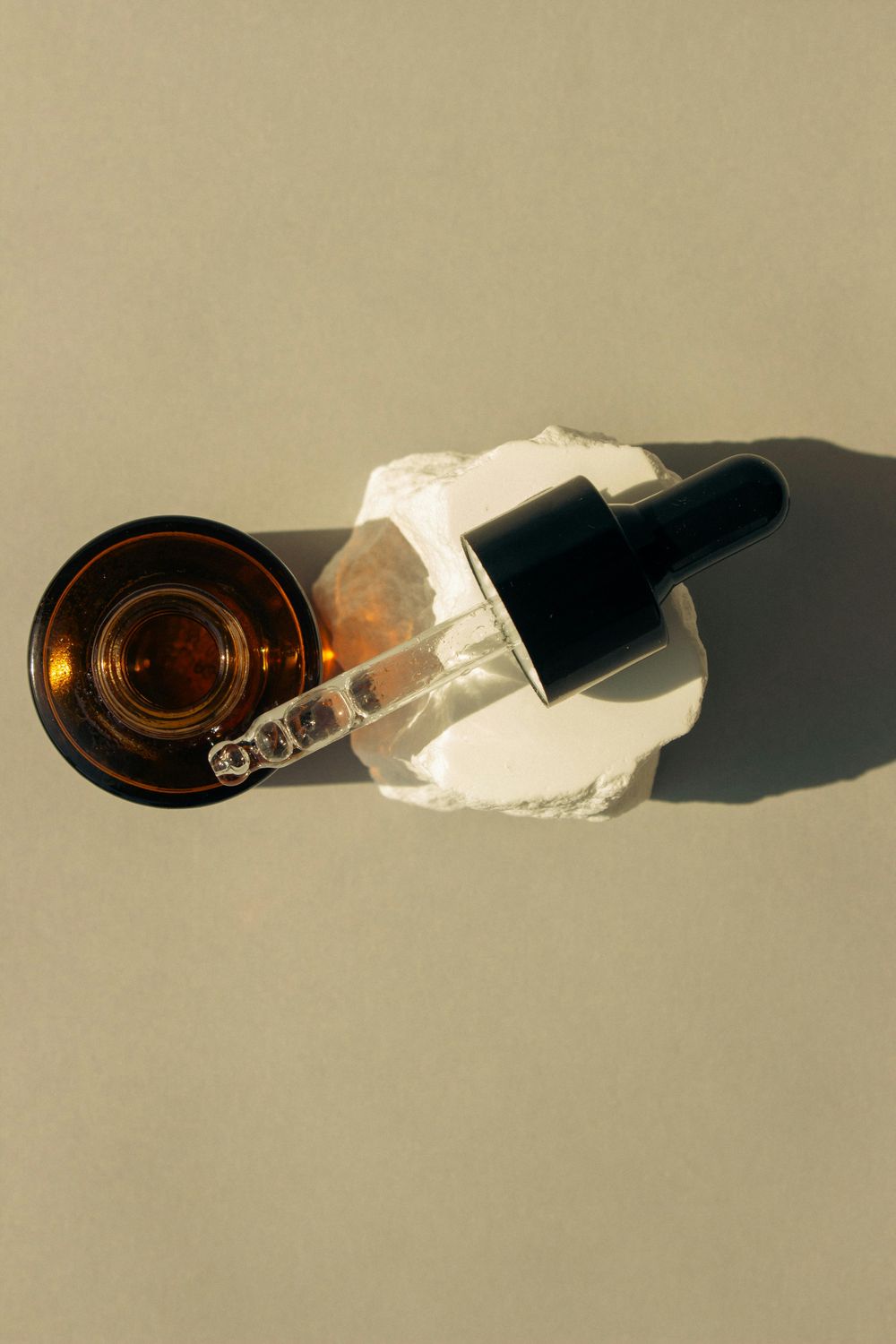
Why we trace every essential oil back to a single farm, a single harvest, and a single still and how that quietly changes what you smell and feel.
Most essential oils on the global market are blended. Not adulterated blended. A drum of Lavender from Bulgaria meets a drum of Lavender from Provence, and the resulting "Lavender" is technically true but chemically smoothed. The peaks and valleys of a single terroir are averaged out. The oil becomes consistent and, in our view, slightly less alive.
Single-origin distillation is the opposite philosophy. One farm. One harvest. One copper still. The result is an oil that smells of a specific September morning in a specific valley. Our 2026 Rosemary, for example, comes entirely from a 4-acre family farm near Naivasha 1,800 metres of altitude, volcanic soil, hand-cut at the second flowering in October. The 1,8-cineole content sits at 47% on the high end of pharmacopeia grade.
Blended oils are an average. Single-origin oils are a place. You can smell the difference within three breaths.
We disclose, on every batch, the farm, the harvest window, the distillation date, and the major chemotype markers. You can find them on the carton, inside the lid, and on the digital lot certificate we link from each product page. This is the difference between essential oils as a commodity and essential oils as an ingredient with a story you can verify.
It is more expensive. It is slower. It means we run out of certain oils for weeks at a time. We think it is worth it. So do the customers who keep coming back.
